
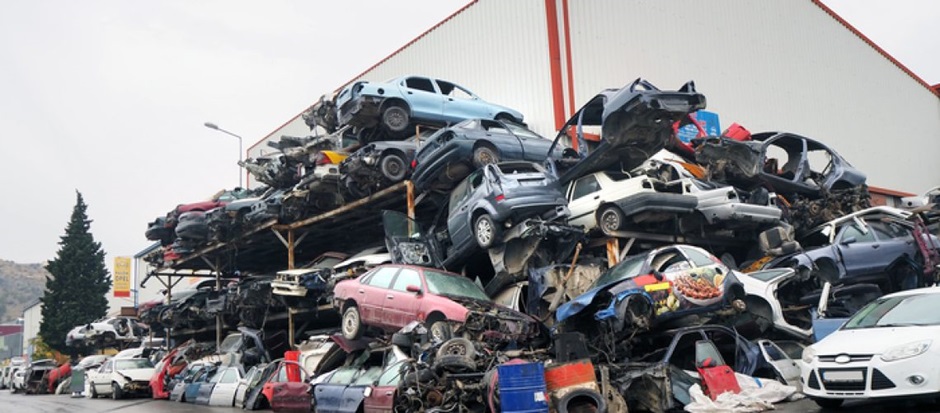
Scrap car recycling is a vital industry that conserves natural resources and reduces environmental pollution. A key piece of equipment in this process is the scrap metal shear, a tool designed to cut through large metal components of decommissioned vehicles. This article delves into the applications of metal shears in scrap car recycling and analyzes their efficiency, highlighting their importance in the recycling chain.
Applications of Metal Shears in Scrap Car Recycling
Metal shears are extensively used in the scrap car recycling industry to dismantle vehicles efficiently. Their primary function is to cut through the metal body and other vehicle components, including frames, engine parts, and metallic sheets. This capability allows recyclers to segregate different types of metals for recycling purposes, thus optimizing the recovery of valuable materials.
Metal shears’ versatility also extends to their ability to handle various sizes and types of metal. From thin sheets to thicker metal frames, shears can adjust to different materials, making them indispensable tools in the recycling process.
Efficiency Analysis
The efficiency of metal shears can be measured in terms of their cutting speed, power consumption, and cut quality. High-performance shears can make quick cuts that reduce the time needed to dismantle a car, thereby increasing the throughput of recycling operations.
Energy efficiency is another crucial aspect. Modern metal shears are designed to consume less power while maintaining high operational efficiency. This reduces operational costs and minimizes the carbon footprint of recycling activities.
Moreover, the quality of the cut affects the downstream recycling processes. Clean cuts reduce the need for further processing, thus saving on labor and energy expenditures. They also help maintain the metal’s integrity, which is essential for the quality of recycled materials.
Impact on Recycling Efficiency
Using metal shears significantly impacts the overall efficiency of scrap car recycling. Speeding up the dismantling process allows more cars to be processed within a shorter timeframe. This increase in processing capacity is crucial for meeting the growing demand for recycled metals.
Furthermore, metal shears’ precision and effectiveness contribute to higher recycling rates. By efficiently separating different metal components, they enhance the sorting process, which is critical for the quality of the recycled material. Better-sorted materials fetch higher prices in the market, thereby increasing the profitability of recycling operations.
Challenges and Solutions
Despite their benefits, metal shears have challenges, primarily related to maintenance and operational safety. Regular maintenance is crucial for ensuring the service life and efficiency of the shearing machine. This involves routine inspections and replacement of worn parts, which may be costly.
Safety is another concern, as metal shears’ decisive cutting action poses significant operator risks. Implementing rigorous safety protocols and training is essential to minimize accidents and ensure safe operation.
Conclusion
Metal shears play a pivotal role in the scrap car recycling industry. Their ability to quickly and efficiently cut through various metal parts enhances recycling and supports environmental conservation efforts.
Despite the challenges associated with their use, metal shears’ benefits make them invaluable assets in the recycling industry. As technology advances, further improvements in the efficiency and safety of metal shears can be expected, which will continue to bolster the recycling sector.