
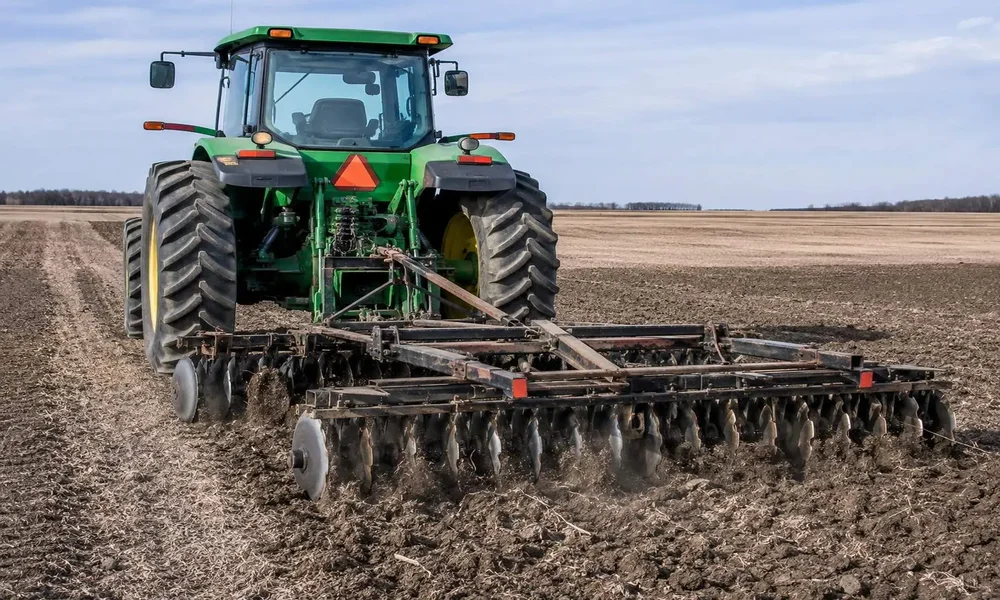
Small-scale farming may cover fewer acres than commercial agriculture, but it still requires dependable equipment to perform fieldwork efficiently. Soil preparation, planting, spraying, mowing, and other everyday tasks can all be aided by an appropriate tractor. However, purchasing a machine that is overly big, strong, or costly may result in extra expenses for a smaller business. The best option should consider the farm’s budget, crops, available area, and actual workload.
Balancing physical layout constraints with the unique demands of light tillage, material handling, and tight turning spaces is crucial, making it essential when researching tractors for small farms to carefully weigh horsepower, maneuverability, and implement compatibility before making a purchase.
2. START WITH THE FARM’S DAILY WORK
Farmers should first choose which jobs they anticipate the tractor to perform. While some small farms would need a machine primarily for tilling and material transportation, others might need it for loader work, planting, spraying or mowing. It is simpler to identify the power, attachments, and features that are required when these jobs are listed.
3. MATCH THE TRACTOR TO THE LAND
Tractor selection can be significantly influenced by the physical features of the farm. Compact machines with strong manoeuvrability may be needed in places with closely spaced crops, orchards, small fields, and tight roadways. The width, turning radius, ground clearance, and total weight of the tractor should all be considered by farmers. Additionally, access points like storage buildings and gates should be big enough to fit the selected tractor model.
4. SELECT APPROPRIATE POWER
Horsepower shouldn’t be selected only because a greater number seems more capable; instead, it should be matched to the heaviest routine task. Excessive power can raise the cost of purchasing and gasoline, while underpowered tractors may find it difficult to handle demanding tools. Before choosing engine capacity, farmers should consider the soil conditions, anticipated workloads, and the tools they want to utilise.
5. CONSIDER AVAILABLE IMPLEMENTS
A tractor’s use is partially determined by the equipment it can run. Cultivators, trailers, mowers, ploughs, sprayers, and front loaders are among the tools that farmers may require. They should examine the tractor’s three-point hitch, power take-off, hydraulic capacity, and lifting capability before making a purchase.
6. THINK ABOUT EASE OF OPERATION
Work in small-scale agriculture may frequently include switching between various jobs. These transitions can be made easier with simple attachment changes, comfortable seating, easy-to-use controls, and adequate visibility. Ergonomic elements become especially crucial if the tractor will be used for long hours.
7. CONCLUSION
Finding the correct tractor for small-scale agricultural operations necessitates a practical evaluation of the farm rather than a concentration solely on specifications. It is important to consider factors like workload, land conditions, power requirements, implement compatibility, ease of operation, maintenance expenses, and plans. Small-scale farmers can invest in equipment that supports productive labour without adding needless financial or operational stress by matching the tractor to real demands.