
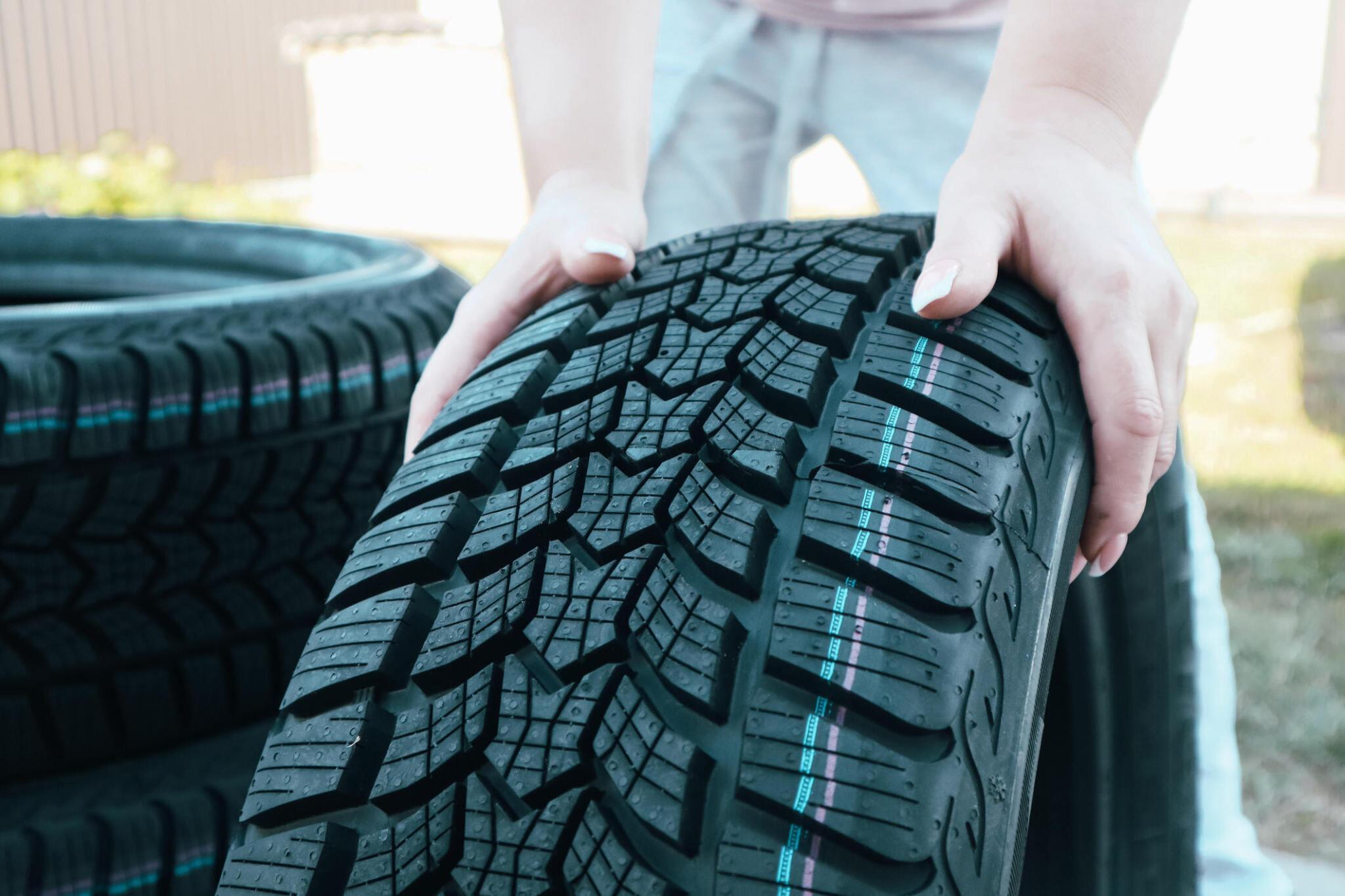
Tire feedback can feel confusing at first glance. One person praises a tire while another complains about it. Ratings differ. Opinions clash. This is where many drivers feel stuck. They wonder which voice to trust and whether they are missing something important.
Looking at tire reviews through everyday driving helps calm that confusion. Most feedback is shaped by how people actually use their cars, not by numbers alone. Once you read opinions with real life in mind, patterns start to feel clearer.
Separating marketing claims from lived experience
Marketing focuses on best case scenarios. Real feedback focuses on daily reality.
Drivers talk about what happens after weeks and months. Does the tire stay quiet. Does it still feel smooth. Does grip feel predictable in sudden rain.
When many drivers describe the same feeling, that is lived experience. It carries more weight than promises made in ads or brochures.
Noticing consistency across multiple reviews
One opinion can be emotional. Ten opinions show direction.
When several drivers mention similar strengths or weaknesses, that pattern matters. If noise comes up repeatedly, expect it. If comfort is praised again and again, trust it.
Skimming many reviews lightly often works better than reading one deeply. Your brain naturally picks up repeated themes without effort.
Tires that adapt well to normal routines
Good tires often disappear into the background. Drivers stop thinking about them.
Reviews describing calm drives, relaxed steering, or predictable behavior usually point to tires that suit daily life. These tires may not excite but they rarely disappoint.
For most drivers, that quiet reliability brings more happiness than sharp performance.
Using reviews as guidance not rules
Reviews are shared experiences, not instructions. They show what to expect, not what you must choose.
A tire with mixed opinions might still be right for your roads. A highly praised tire might feel wrong for your routine. The key is alignment, not popularity.
When used gently, reviews reduce regret and increase confidence.
Some drivers even find it helpful to make a short mental list while reading:
- Does this sound like my driving
- Do the pros match what I value
- Can I accept the tradeoffs mentioned
That simple filter keeps things grounded.
Before stepping away, it helps to revisit tire reviews with your own daily driving clearly in mind. Not the ideal drive. The real one. Morning traffic. Weekend errands. Occasional long trips. When feedback is read through that lens, tire choices stop feeling risky and start feeling practical, calm, and personal.