
Colorado is undeniably a truck country. From navigating the daily gridlock of the Front Range to climbing over steep mountain passes like Loveland, Berthoud, or Kenosha, our trucks are asked to perform tasks that flat-land vehicles never encounter. While most local truck owners are highly diligent about changing their engine oil and swapping out seasonal tires, they frequently overlook the most complex mechanical component under the chassis: the transmission.
Colorado’s unique geography-sharp elevation changes, heavy towing demands, freezing winters, and rocky trails-places an immense amount of stress on a truck’s gearbox. Unfortunately, many drivers are unknowingly shortening the lifespan of their transmissions through seemingly harmless daily habits. Here are six common mistakes that are secretly destroying your truck’s transmission.
1. Shifting Gears While the Truck is Still Rolling
We have all done it: rushing into a tight parking spot or executing a quick three-point turn on a narrow mountain trail, snapping the shifter from Reverse to Drive while the truck is still coasting backward. When you do this, you are forcing the transmission’s internal components, such as the bands and clutches, to stop a moving multi-ton vehicle instead of using the actual brakes. Over time, this sudden, jarring friction shears off vital gear teeth and wears down internal friction material, paving the way for a catastrophic mechanical failure. Always bring your truck to a complete stop before switching gears.
2. Neglecting Fluid Flushes Under Heavy Mountain Loads
Driving in the Rockies isn’t like cruising down a flat highway. Climbing high-altitude inclines generates an incredible amount of heat inside a transmission. Transmission fluid is the lifeblood of the system, acting as both a hydraulic fluid, a lubricant, and a coolant. As it gets subjected to extreme mountain heat, the fluid breaks down, loses its protective properties, and burns. Running on old, burnt fluid causes internal components to grind together. If you frequently tow trailers, carry heavy payloads, or tackle steep mountain passes, you cannot afford to follow the relaxed “lifetime” fluid recommendations found in standard owner’s manuals.
3. Rocking Your Truck Back and Forth When Stuck
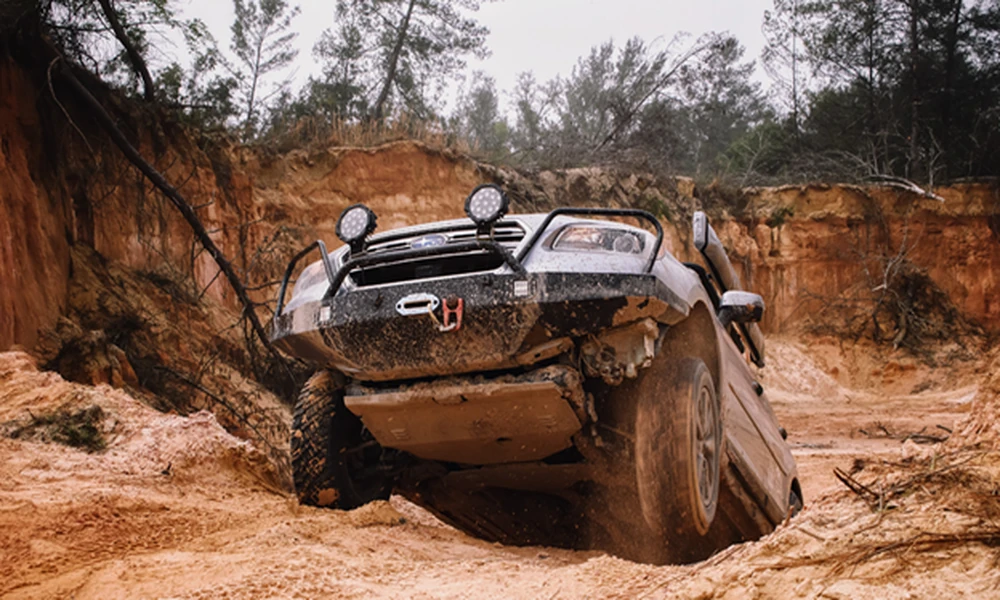
Whether it is a sudden spring blizzard on the highway or a deep mud hole on a backcountry trail, getting stuck is a common experience for Colorado truck owners. However, the worst thing you can do is rapidly slam the shifter back and forth between Drive and Reverse to rock the vehicle free. This creates a massive spike in internal temperature and friction within milliseconds. The sudden, violent directional changes can literally snap internal shafts or burn out clutch packs instantly. If you find yourself stuck, use traction mats, drop your tire pressure, use a winch, or call a recovery vehicle instead of abusing your gearbox.
4. Failing to Use Tow/Haul Mode on Steep Grades
Many modern trucks come equipped with a dedicated “Tow/Haul” button, yet many drivers forget to use it or don’t understand its purpose. When climbing or descending steep mountain passes like I-70, your transmission will naturally want to upshift to keep engine RPMs low. This causes a phenomenon known as “gear hunting,” where the transmission constantly shifts back and forth trying to find the right gear, generating immense, destructive heat. Turning on Tow/Haul mode alters the shift logic, holding gears longer to reduce hunting and utilizing engine braking to protect both your brakes and your transmission.
5. Ignoring Minor Drips and Small Shudders
A tiny red spot on your driveway might not seem like a big deal, but automatic transmissions are closed systems that rely on precise hydraulic pressure. Even a minor leak can lower fluid levels enough to cause slipping gears, delayed engagement, and massive overheating. Similarly, ignoring a faint vibration or a “shudder” while driving uphill is a recipe for disaster. These are early warning signs of torque converter or valve body issues. Scheduling a comprehensive 4×4 transmission service Denver truck specialists provide at the first sign of trouble can mean the difference between a quick fluid top-off and an incredibly expensive total overhaul.
6. Upsizing Your Tires Without Re-Gearing
The off-road and overland culture in Colorado is massive, and upgrading to 33-inch or 35-inch mud-terrain tires is incredibly popular. However, bolting on massive, heavy rubber without changing your differential gear ratios forces your transmission to work twice as hard to get the truck moving from a dead stop. It alters the vehicle’s factory shift logic, forcing the transmission to stay in lower gears longer and causing the torque converter to slip constantly. If you upgrade your tires for the trails, you must budget for a proper axle re-gear to save your drivetrain from an early grave.
A truck transmission is an engineering marvel, but it isn’t invincible-especially under Colorado’s punishing driving conditions. By breaking these harmful driving habits, paying close attention to early warning signs, and staying ahead of routine maintenance, you can ensure your truck remains reliable whether you are commuting down the highway or exploring the deep backcountry.