
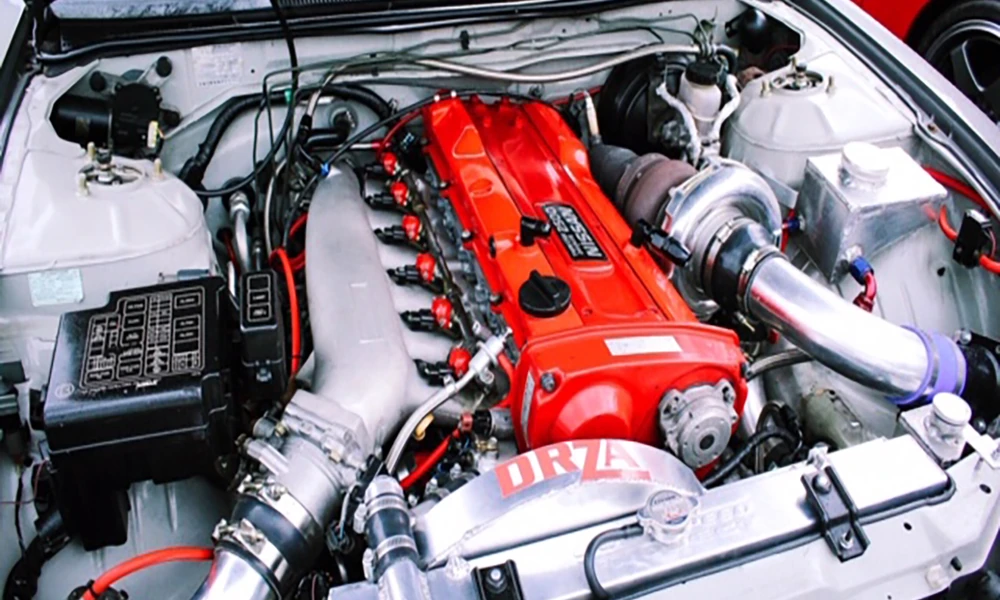
Picture the engine you are about to order. Right now it might still be bolted into a sedan parked at a dismantling yard outside Osaka, or sitting on a pallet in a warehouse, graded and waiting. The journey from that yard to your garage runs through a sourcing chain most buyers never see, and understanding it changes how you shop. A low-mileage import is not a lucky find. It is the output of a process, and the process has stages worth knowing.
Stage one: where the engines originate
The supply does not start in a junkyard. It starts in Japan’s vehicle economics, which retire cars long before their engines are worn out.
The role of the inspection system
Japan’s shaken inspection grows costlier as a car ages, and the math eventually favors replacing the vehicle over maintaining it. Owners cycle out of cars that, by American standards, have plenty of life left. The engines and transmissions pulled from those vehicles carry genuinely low mileage, which is the entire economic basis for shipping them abroad.
Why Nissan units flow in volume
Decades of production mean a deep pool of Nissan hardware enters this pipeline, from the SR-family fours that powered the Silvia to the VQ-series sixes behind the 350Z. The famous performance engines get the attention, but the bulk of the volume is ordinary commuter powertrains, which is exactly why the channel can supply replacements affordably.
Stage two: grading and inspection
Once an engine is pulled, it gets assessed before it ever earns a place in inventory. This is the step that separates a serious importer from someone moving crates on faith.
A graded engine has typically been turned over, checked for compression, and inspected for obvious damage to the block, head, and external components. Mileage gets documented against the source vehicle where possible. The grading is not a guarantee of perfection, and no honest seller pretends it is. What it does is filter out the units that should never have left Japan and attach real information to the ones that pass. When you browse a curated Nissan JDM engine selection, the listings reflect this filtering, which is why a reputable catalog looks smaller and cleaner than the raw supply behind it.
Stage three: export and ocean freight
This is the leg buyers think about least and probably should think about more. An engine that tested perfectly in Japan still has to survive weeks at sea.
Crating matters here. A properly packed unit is secured, drained where appropriate, and protected against the moisture and movement of container transport. Engines that sit during freight and storage can develop issues that have nothing to do with their mechanical condition when pulled, which is precisely why your own inspection on arrival is not optional. The freight stage is also where shipping costs enter the price, and why landed cost can shift with fuel prices and currency in ways the original engine price does not explain.
Stage four: warehousing and listing
Stateside, the engine lands at a facility, gets logged into inventory, and becomes the listing you eventually read. The gap between a good operation and a careless one shows up most clearly here.
A careful importer ties each unit to documentation, keeps it stored in conditions that do not invite corrosion, and describes it accurately. A careless one lets engines sit exposed, mislabels mileage, and lets the listing oversell the reality. As a buyer, the warehouse stage is invisible to you directly, but its quality is legible in the details: how specific the listing is, whether the source is documented, and whether the seller can answer a pointed question about a particular unit.
What this means when you shop
Knowing the chain reframes the whole purchase. The price you see is the sum of early-retired Japanese sourcing, a grading step that did or did not happen properly, ocean freight, and a warehouse operation of varying care. A suspiciously cheap engine usually means a corner was cut somewhere in that sequence.
So shop the process, not just the price. Ask where the engine came from. Ask what grading it received. Confirm the mileage is documented rather than asserted. And plan to verify the unit yourself on arrival regardless of how it was graded, because the freight and storage legs sit entirely outside the seller’s original inspection. A buyer who understands the four stages asks better questions and gets better engines.
The red flags that signal a skipped stage
Once you know the chain, the warning signs in a listing become easy to read. They almost always point to a stage someone rushed or skipped.
A price well below the market for that engine usually means corners were cut in grading, freight, or storage. Mileage stated as a round, suspiciously low number with no source vehicle attached suggests the documentation stage never happened. Photos that could be of any engine, rather than the specific unit you would receive, hint at a warehouse that does not track inventory closely. And a seller who cannot or will not answer a direct question about a particular engine’s origin is telling you the sourcing stage is murkier than they want to admit. None of these is automatically disqualifying, but each one is an invitation to ask another question before you commit.
How to read a listing through the chain
Put the stages to work and a listing stops being a wall of text and becomes a checklist. Does it name the source vehicle? That covers sourcing. Does it describe grading or inspection? That covers stage two. Does it address how the unit is crated or stored? That speaks to freight and warehousing. A listing that answers those quietly, without you having to drag the information out, came from an operation that respects the whole process.
The part that stays the same
Once the engine is in your hands, the imported-versus-domestic distinction mostly dissolves. It is a used powertrain like any other, and it deserves the same scrutiny: a compression check, a look at the seals, a verification that what arrived matches what you ordered. The Nissan units that come through this channel, whether a humble four-cylinder or a sought-after six, earned their reliability in service before they were ever pulled. The chain simply moves that reliability across an ocean.
What the journey adds is a set of points where things can go right or wrong before the engine reaches you. None of them are mysterious once you know they exist. The sourcing is economic, the grading is mechanical, the freight is logistical, and the warehousing is operational. A good engine clears all four cleanly. Your job as a buyer is to confirm it did, and that is far easier when you understand the road it traveled to get to your driveway in the first place.