
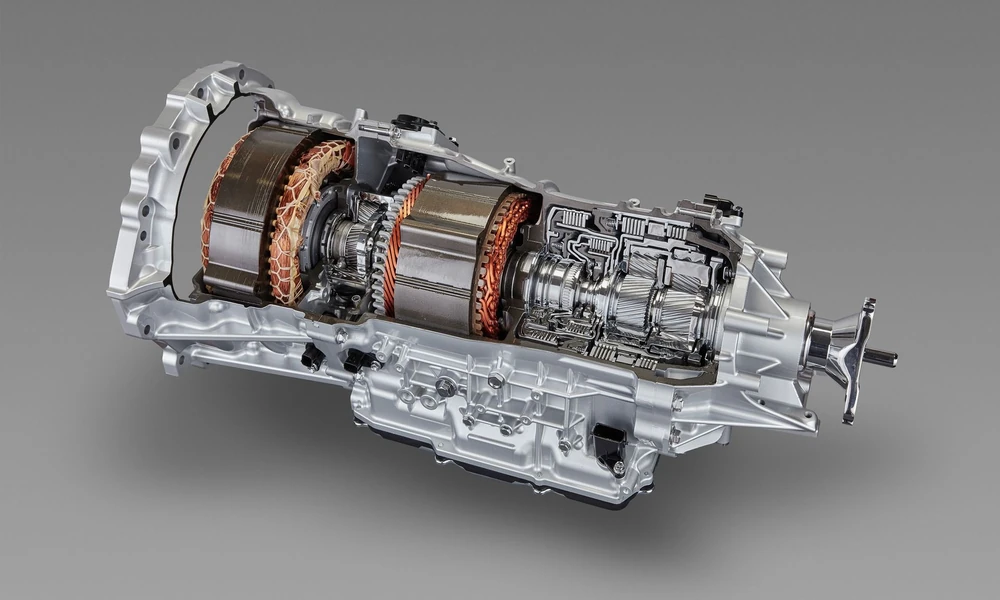
A failing transmission rarely announces itself politely. It starts with a slip on a hard pull, a shudder at a particular gear, a whine that was not there last week. By the time most Toyota owners take it seriously, they are weighing a rebuild against a replacement and trying to figure out which Toyota gearbox they even have. The brand’s reputation for durability is well earned, but no transmission lasts forever, and knowing your options before you commit saves both money and headaches.
Toyota built a deep catalog of transmissions across decades of Corollas, Camrys, 4Runners, Supras, and everything in between. That breadth is a blessing for parts availability and a complication for anyone trying to match the right unit to their car.
Automatic or manual: know what you’re replacing
The first fork is obvious but worth stating. A car that came with an automatic needs an automatic, and a manual needs a manual, unless you are taking on a full conversion with all the wiring, pedals, and computer changes that entails. Most owners replacing a failed unit want a direct match to keep the swap clean.
Within each category, Toyota used many distinct designs. The automatics range from the rugged A-series units found in trucks and SUVs to the transaxles in front-drive sedans. The manuals include legends like the W58 and the stout R154 that performance builders prize. When you are sourcing a replacement, the donor unit has to match your engine, your drivetrain layout, and your bellhousing pattern. A catalog of JDM Toyota transmissions organized by model takes most of the guesswork out of finding the right one.
Getting this match right is the difference between a bolt-in afternoon and a return shipment. Confirm the unit against your specific year and engine before you buy.
Why Toyota transmissions fail when they do
Toyota gearboxes are durable, not immortal. The failure modes tend to cluster around a few causes, and recognizing them helps you decide whether a replacement is even the right answer.
Neglected fluid is the quiet killer. Transmission fluid breaks down over time and miles, and the “lifetime fluid” marketing on many modern units has left a lot of transmissions running on burnt, worn-out oil. Heat is the enemy, and old fluid stops managing it. Many premature failures trace straight back to fluid that was never changed.
Towing and hard use accelerate wear, especially on the automatics in trucks and SUVs that spend their lives hauling. Solenoid and valve body issues show up on higher-mileage automatics and can mimic mechanical failure while being something else entirely. On manuals, worn synchros and clutch-related damage are the usual suspects. Diagnosing the actual cause matters, because a solenoid fault is a far smaller fix than a grenaded gearset.
Rebuild or replace?
Once you know the unit is genuinely failing, the choice mirrors the engine decision. A rebuild restores your existing transmission with new clutches, seals, and worn components. A replacement drops in a different unit with lower miles.
For many Toyota platforms, a low-mileage imported transmission is the faster and often cheaper route. You skip the rebuild labor and the diagnostic uncertainty, and you get a unit that was pulled from a Japanese-market car retired early under the shaken inspection system. The same supply that makes JDM engines attractive applies to transmissions. Rebuilding makes more sense when the specific unit is rare, when you want upgraded internals for performance use, or when the core has value worth preserving.
Price both for your exact platform. The gap between a rebuild and a replacement varies enormously between a common Camry transaxle and a sought-after performance manual.
The maintenance that prevents the whole problem
A point worth making for owners whose transmissions are still healthy: most Toyota gearboxes fail earlier than they should because of neglected fluid. The “filled for life” language that appears in many owner’s manuals has done real damage, convincing drivers that the fluid never needs attention. It does. Heat degrades transmission fluid steadily, and degraded fluid stops protecting the clutches, bearings, and valve body that keep an automatic shifting cleanly.
A periodic fluid service, using the correct Toyota specification, is among the cheapest insurance you can buy for a transmission. On the manuals, the gear oil deserves the same respect, and the clutch should be treated as a wear item with a finite life rather than something you ignore until it slips. Owners who service the fluid on schedule routinely get well past 200,000 miles out of Toyota transmissions. Owners who never touch it are the ones shopping for replacements. If your transmission is still working, the lesson is to keep it that way with maintenance that costs a tiny fraction of a swap.
The performance angle
Toyota’s manual transmissions have a following that goes well beyond economy repairs. The R154 behind the 1JZ and 2JZ engines, and the W-series boxes in older sports models, are staples of the swap and build community. Anyone putting serious power through a Toyota driveline thinks hard about which transmission can handle it.
If you are building rather than just repairing, the transmission choice should match your power goals. A stock automatic that was fine behind a mild engine may not survive a boosted setup. This is where sourcing a stronger JDM unit, rather than reusing a tired stock one, pays dividends. Match the box to the torque you intend to make.
Getting the swap right
A few practical steps keep a transmission replacement from going sideways. Confirm the exact unit your car needs by year, engine, and drivetrain. Inspect the replacement and ask about its history and mileage. Replace the clutch while you are in there on a manual, since the labor to do it later dwarfs the part cost. Refresh seals and fluid as a matter of course. And do not reuse a tired flexplate, mounts, or lines just to save a few dollars on a job you do not want to redo.
Toyota’s engineering gives you a strong foundation to work with. The transmissions are repairable, the parts supply is deep, and the imported-unit market makes replacement affordable on most platforms. Whether you are nursing a daily Corolla back to health or building something with real power behind it, the key is matching the right unit to your car and your goals. And whatever you install, give the new unit the maintenance the old one probably never got. A fresh transmission running on a sensible fluid schedule is the one that goes the distance.
Get the match right, do the supporting work properly, and a Toyota transmission swap is one of the more rewarding jobs in the driveway.