
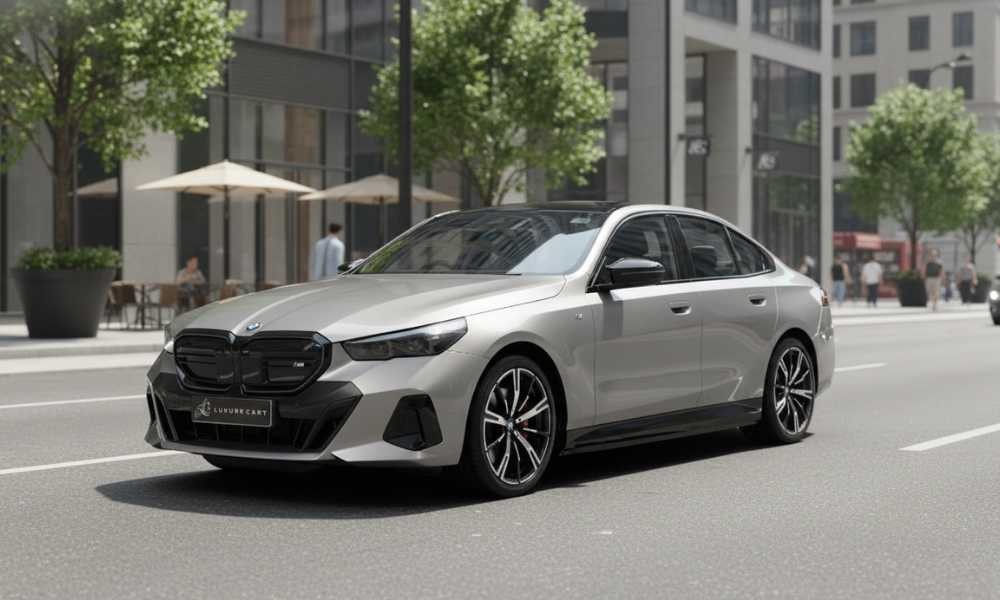
Torque and horsepower are two of the most important measurements used to describe vehicle performance, especially in exotic and high-performance cars. These terms help explain how a vehicle accelerates, reaches high speeds, and delivers an exciting driving experience. Although both are connected to engine performance, they represent different aspects of how power is created and applied. Understanding the relationship between torque and horsepower Fisher Luxury Rental services provides valuable insight into the engineering behind exotic vehicles.
Understanding Torque
Torque is the rotational force produced by an engine. In simple terms, it represents the engine’s ability to create the twisting force that turns the wheels and moves the vehicle forward. Torque is commonly measured in pound-feet (lb-ft) or Newton-meters (Nm).
In exotic cars, high torque allows for powerful acceleration and quick response. When a driver presses the accelerator, torque creates the immediate sensation of force pushing the vehicle forward.
Cars with higher torque typically accelerate faster from a standstill because the engine can deliver strong power at lower speeds. This is especially important in performance driving situations where rapid acceleration and responsiveness are essential.
Understanding Horsepower
Horsepower measures how quickly the engine can perform work over time. In automotive performance, horsepower is often associated with top speed and the ability to maintain acceleration at higher engine speeds.
While torque provides the initial force, horsepower determines how effectively the engine can continue delivering power as speed increases. Exotic vehicles are known for producing extremely high horsepower figures, allowing them to achieve impressive top speeds and sustained high-performance driving.
Horsepower and torque are mathematically connected, meaning both work together to define a vehicle’s overall driving characteristics.
The Relationship Between Torque and Horsepower
Although closely related, torque and horsepower affect performance in different ways. Torque influences how quickly a vehicle accelerates, while horsepower affects how fast the vehicle can continue accelerating and maintain high speeds.
For example, an exotic car with high torque may feel extremely powerful during initial acceleration, while a vehicle with high horsepower may perform better at sustained speeds on highways or racetracks.
Modern exotic cars are carefully engineered to balance torque and horsepower for optimal performance. Manufacturers tune engines, transmissions, and aerodynamic systems to deliver smooth and consistent power under different driving conditions.
How Exotic Cars Increase Performance
Exotic vehicle manufacturers use advanced technologies to maximize both torque and horsepower. Turbochargers and superchargers force additional air into the engine, allowing more fuel to burn and generating greater power output.
Hybrid systems in modern exotic cars also contribute instant torque through electric motors, dramatically improving acceleration. Lightweight materials such as carbon fiber improve the power-to-weight ratio, helping the vehicle use engine power more efficiently.
These technologies allow exotic cars to deliver extraordinary speed, responsiveness, and overall driving performance.
Why Torque and Horsepower Matter
Torque and horsepower help drivers better understand the personality and capabilities of a vehicle. A car with strong torque often feels more aggressive and responsive during acceleration, while a car with high horsepower is usually better suited for sustained speed and high-performance driving.
Together, these measurements play a major role in defining the performance characteristics that make exotic cars so exciting and admired.