
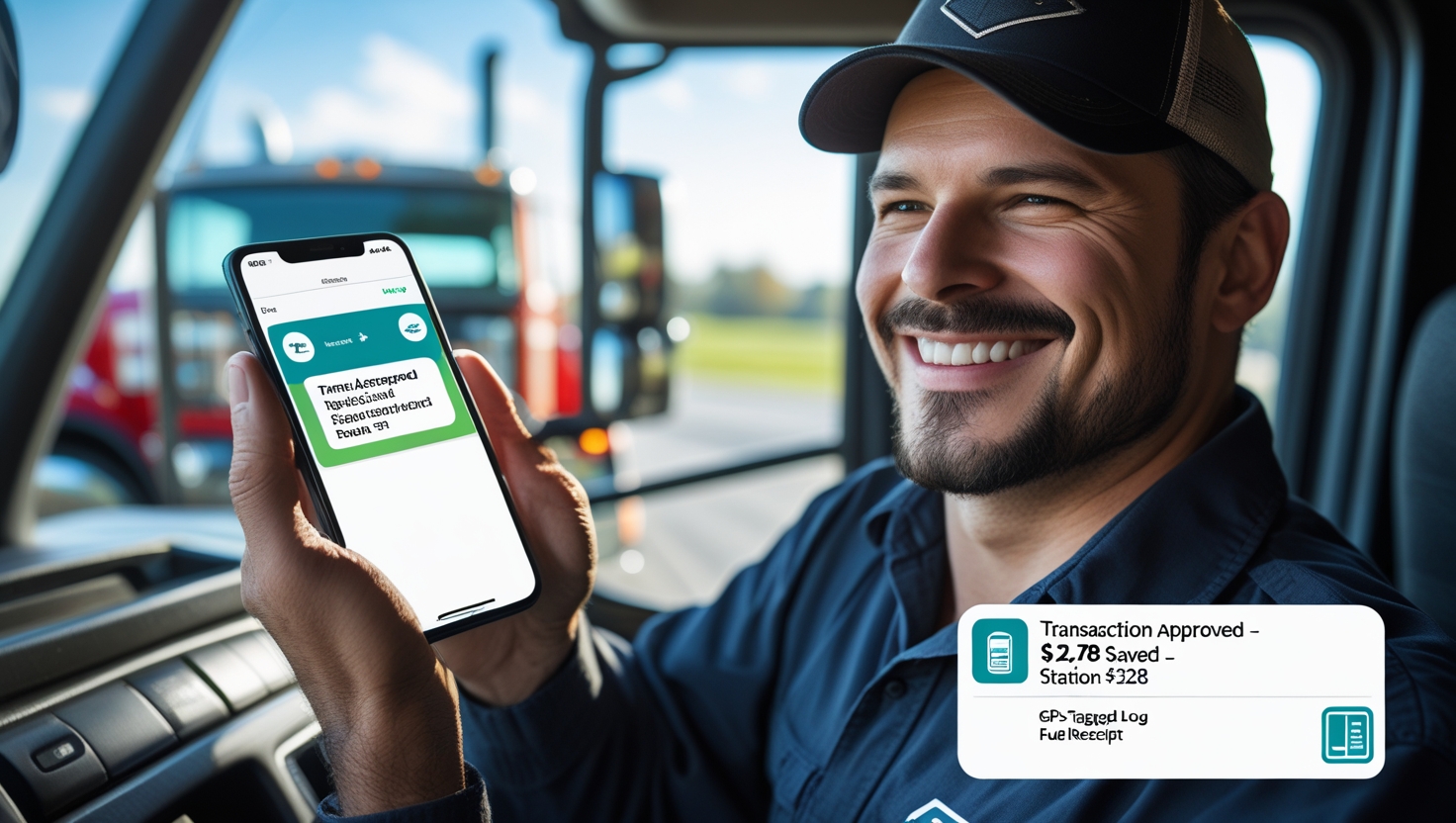
In the modern logistics and service economy, managing vehicle fleets efficiently is crucial to financial success. Driver accountability, ensuring every action by a driver aligns with company standards and fiscal goals, is central to this efficiency Speedway / 7-11. As fuel costs remain volatile and operations become more data-driven, fleet operators need precise, enforceable tools that instill responsibility across the workforce. Fuel cards offer such a solution, delivering control, tracking, and reporting capabilities that help businesses govern their fuel expenses, prevent abuse, and establish performance benchmarks.
Fuel Cards as an Accountability Framework
At their core, fuel cards function as more than a payment tool. They act as part of a systemic control infrastructure for any business managing multiple vehicles and drivers. Unlike cash or generic credit cards, fleet fuel cards provide detailed transaction records, allowing fleet managers to match every gallon purchased with the right vehicle, the correct driver, and a legitimate business need Exxon. This audit-ready visibility is foundational to reducing risk, enhancing efficiency, and maintaining cost discipline.
Implementing a fleet card program immediately limits opportunities for misuse by connecting purchases to specific people, vehicles, times, and locations. The combination of real-time monitoring, secure PIN access, and custom controls creates a closed-loop system of accountability that extends across the entire fleet.
Custom Spending Controls
Enforcing Limits with Precision
One of the most effective accountability features of a fleet card is the ability to set granular spending limits. Companies can configure:
Per-transaction, daily, or weekly gallon caps
Limits by fuel type (e.g., diesel only)
Day and time restrictions to block off-hours usage
Purchase limits that exclude non-fuel items
This functionality prevents a wide range of abuses, including unauthorized fill-ups, card sharing, or non-business-related purchases. If a driver attempts to bypass the settings, for example, by using the card outside a designated fuel station network, the transaction is declined, and a real-time alert is sent to the manager.
These rules not only enforce corporate policy but also serve as a behavioral cue for drivers. When guidelines are programmed into every swipe, driver behavior naturally aligns with business standards. This helps to institutionalize accountability without requiring manual oversight.
PIN Verification
Linking Every Purchase to a Person
Fuel cards introduce a level of security and personal accountability through driver-specific PINs. By assigning a unique code to each employee, businesses ensure that every transaction is traceable to an individual. This deters unauthorized use, such as lending the card to a friend or filling a personal vehicle, and strengthens internal compliance.
Driver IDs create a data trail that supports other accountability processes, such as:
HR investigations for repeat offenders
Timecard verification using fuel timestamp comparisons
Trend analysis to detect habitual overuse by particular employees
By establishing a clear connection between people and purchases, fleet cards transform each driver into a responsible steward of the company’s fuel budget.
Telematics Integration
A Complete Behavioral Snapshot
When fuel cards are integrated with GPS tracking and vehicle telematics, managers gain a comprehensive view of every fueling event within operational context. This includes:
Verifying whether the vehicle was at the station at the time of purchase
Matching fuel volume to tank size and route mileage
Monitoring for inconsistencies like multiple fuel-ups in different locations
This level of monitoring not only flags suspicious activity but also supports overall optimization of the fleet. For instance, telematics data may reveal:
Routes with excessive idle time and poor fuel efficiency
Drivers with above-average fuel spend due to aggressive driving behavior
Underperforming vehicles that require maintenance
Armed with this data, businesses can fine-tune their operations, coach drivers, and allocate resources more intelligently.
Real-Time Alerts and Automated Reporting
Accountability is strongest when managers are empowered to act quickly. Fleet card platforms provide automated reports and configurable alerts that give immediate insight into irregular activity. These tools allow teams to:
Receive instant notifications for over-limit purchases
Spot duplicate transactions
Flag fuel usage outside geographic or time parameters
Dashboards often include analytics that rank drivers by spend, highlight outliers, and provide KPIs to evaluate team performance. This functionality is especially valuable for multi-location businesses, where regional supervisors must oversee distant operations.
Paired with data export features and integration with ERP or accounting systems, these reports make it easier to track trends, enforce policy, and conduct audits without relying on spreadsheets or manual logs. Phillips 66
Reducing Administrative Burden and Fraud Risk
Prior to fuel cards, many companies relied on receipt submission and expense reports to track fuel spending. This paper-heavy approach was not only inefficient but also created ample room for abuse. Receipts could be falsified, expenses padded, and drivers could exploit the lack of oversight.
Fuel cards eliminate these vulnerabilities by logging every transaction at the time it occurs, including:
124 Gallons pumped
Price per gallon
Time, date, and location
Vehicle and driver IDs
This digital audit trail dramatically reduces the risk of fraud and removes guesswork from expense reconciliation. Finance and operations teams spend less time verifying entries and more time analyzing insights.
A Service Fleet Case Study
Saving Money and Instilling Accountability
A national HVAC service provider implemented a fleet card program across its 50-vehicle network Phillips 66. By integrating cards with telematics and setting strict usage rules, they quickly uncovered several concerning trends:
Unauthorized weekend fuel-ups
Double swipes within short time intervals
Consistent over-fueling on certain routes
Within six months, they reduced fuel theft by 42%, cut overall fuel expenses by 18%, and introduced a driver rewards program based on policy compliance. The combined effect of monitoring, reporting, and behavioral incentives significantly improved both performance and trust within the organization.
Impact on HR and Legal Compliance
Having a digital record of driver transactions can also support broader HR and legal compliance goals. In cases of disputes, investigations, or liability questions, fuel card data serves as factual evidence. It helps validate employment claims, verify task completion, and defend against wrongful use of company assets.
Fuel card logs also enhance transparency for audits, making it easier to comply with IRS reimbursement regulations, Department of Transportation requirements, and internal fleet usage policies. As regulations around environmental impact and fleet carbon footprints expand, these logs can play a role in sustainability reporting as well.
Enhancing Accountability with Behavioral Incentives
While enforcement is a key feature of fuel cards, businesses can also use these systems to incentivize good behavior. By analyzing usage trends, managers can:
Reward top performers who consistently remain under budget
Set departmental fuel targets
Develop training programs based on historical usage and exception reports
This dual approach—control and reward—fosters a culture of accountability that empowers rather than penalizes drivers.
Conclusion-Free Strategic Wrap-Up
Fuel Cards as Accountability Enablers
For any business managing a mobile workforce, fuel accountability is no longer optional—it’s a strategic imperative. Fleet fuel cards make this achievable by combining purchase control, behavioral visibility, and real-time reporting into one streamlined tool. They reduce unnecessary expenses, improve employee compliance, and equip managers with the data needed to drive better decisions.
When linked with GPS and telematics, fuel cards become even more potent—delivering operational insights that go far beyond the pump. As companies scale, expand geographically, or face tighter margins, the accountability built into fleet cards ensures that no drop of fuel or dollar of spend goes untracked or unmanaged.
In short, fuel cards empower companies to manage their fleet, their drivers, and their budgets with unprecedented control and efficiency. They are not just a payment solution—they are an integrated accountability platform for modern fleet operations.